
How to check a bag sample before you say yes to bulk
The sample is the most important bag in your whole order. It is the one every other bag gets compared with. Here's how to look at it properly.
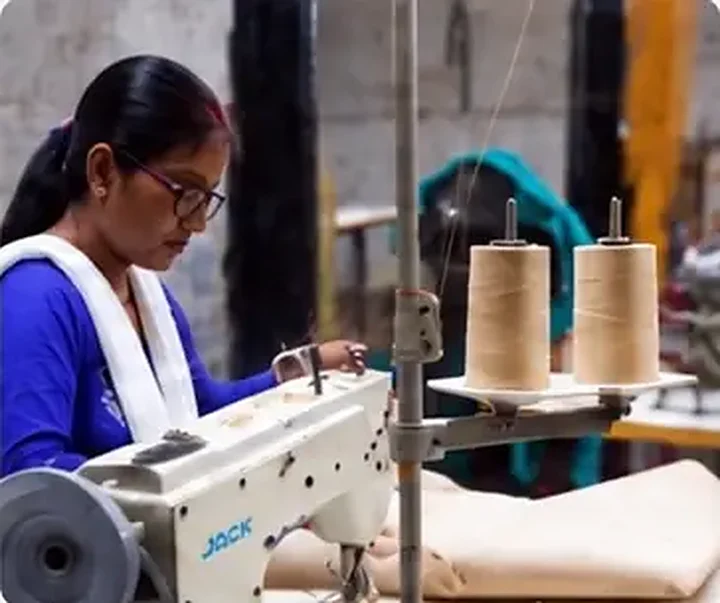
A sample usually arrives 5 to 10 days after you approve the artwork. It is tempting to open the parcel, think “looks nice”, and reply with a thumbs-up. Please don't. Give it fifteen minutes and go through it properly, because whatever you approve now is exactly what you'll get, a few thousand times over.
Here is the order we'd go in.
In this guide: Measure it · Feel the fabric · Look at the colour in daylight · Check the print · Handles and stitching: where bags fail · The small things · Write down what you want changed · Questions buyers ask us
1. Measure it
Lay it flat and check width, height and gusset against what you ordered. Then the handles. (If you're not sure how, our guide on measuring a bag explains it.) Small differences are normal with natural fabric. What matters is that you are happy with this size, because the tolerance for bulk is agreed on this sample.
2. Feel the fabric
Is it the weight you expected? If you ordered a specific GSM, you can check it at home with a kitchen scale (cut-and-weigh method, explained in our GSM guide). Then just use the bag. Fold it. Scrunch it. Does it feel like the thing you want your customers to carry?
With jute, a natural fibre smell is normal on a new bag. It fades with airing.
3. Look at the colour in daylight
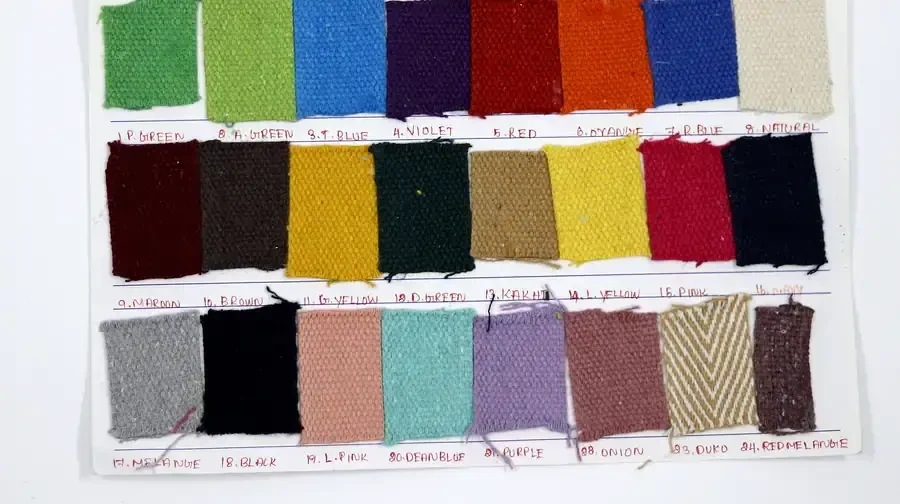
Not under your office light, and not next to your phone screen. Take the bag to a window, or outside in the shade, and hold your colour reference next to it. If the fabric was dyed to a Pantone shade, compare it with the approved lab dip.
4. Check the print
- Is it in the right place? Measure from the top hem to the top of the logo.
- Are the edges clean? Any thin lines broken?
- Is the colour right, and even across the print?
- Rub it with your thumb. Wash it if your customers will wash it.
5. Handles and stitching: where bags fail
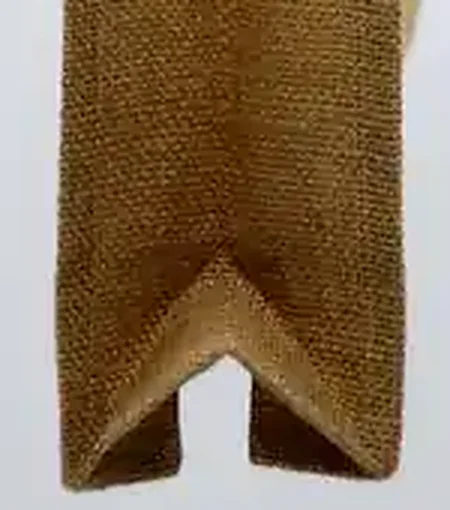
If a bag breaks, it almost always breaks where the handle joins the body. Look closely there. On a bag meant for heavy shopping, you want reinforced stitching such as box-and-cross: a square of stitches with an X through it, which spreads the load.
Then put real weight in it. Whatever your customers will carry, bottles, books, groceries. Lift it, swing it a bit, put it down on the floor. A load test on the sample tells you more than any number in a spec sheet.
6. The small things
Zips run smoothly? Lining sewn in neatly? Labels in the right place, spelt right? If the bag is laminated, the lamination is on the inside and shouldn't peel at the seams. And the packing: how many bags to a carton, folded how?
7. Write down what you want changed
Be specific. “Logo 2 cm higher” is better than “logo looks low”. “Handle 5 cm longer, for shoulder carry” is better than “handles too short”. Photos with a tape measure in them are gold.
If the changes are big (a different fabric, a new colour), ask for a second sample. If they're small, a photo of the corrected sample is often enough. Your call.
Keep your approved sample. In the trade it's called the golden sample or counter sample. You keep one, we keep one. Every bulk bag is checked against it, and if there's ever a question, the sample settles it.
If we're honest, the handle joint is the one step on this list we'd never let a buyer skip. Everything else is forgiving. A slightly off colour or a logo 1 cm out of place is fixable or livable. A handle that tears off in someone's hand at a supermarket till is the kind of thing that gets photographed and shared, and no amount of nice fabric fixes that.
Bulk production typically takes 25 to 30 days after you approve the sample. It's a good idea to ask for photos of the first bulk pieces off the line, so you can compare them with your golden sample before the whole order is finished.
Questions buyers ask us
How long does a bag sample take?
Typically 5 to 10 days from approved artwork. Bulk production typically takes 25 to 30 days after the sample is approved.
What is a golden sample?
The approved sample that you and the factory each keep. Every bulk bag is checked against it.
Can I ask for a second sample?
Yes. For bigger changes such as fabric or colour, a second sample is a good idea. For small changes, photos of the corrected sample are often enough.
Can the bag's strength be tested?
Yes. We recommend a real load test on the sample with the items your customers will carry. Lab tests can also be arranged at an accredited laboratory on request.
Tell us what you need.
Product, quantity and destination is enough to start. We review your requirement and reply with a quotation.