
Canvas Bags Wholesale: Weight, Weave and Print Quality Buyer’s Guide
Two bags can both be called “10 oz canvas” and still feel completely different. Here is how to judge weight, weave and print before you ask for a quote.
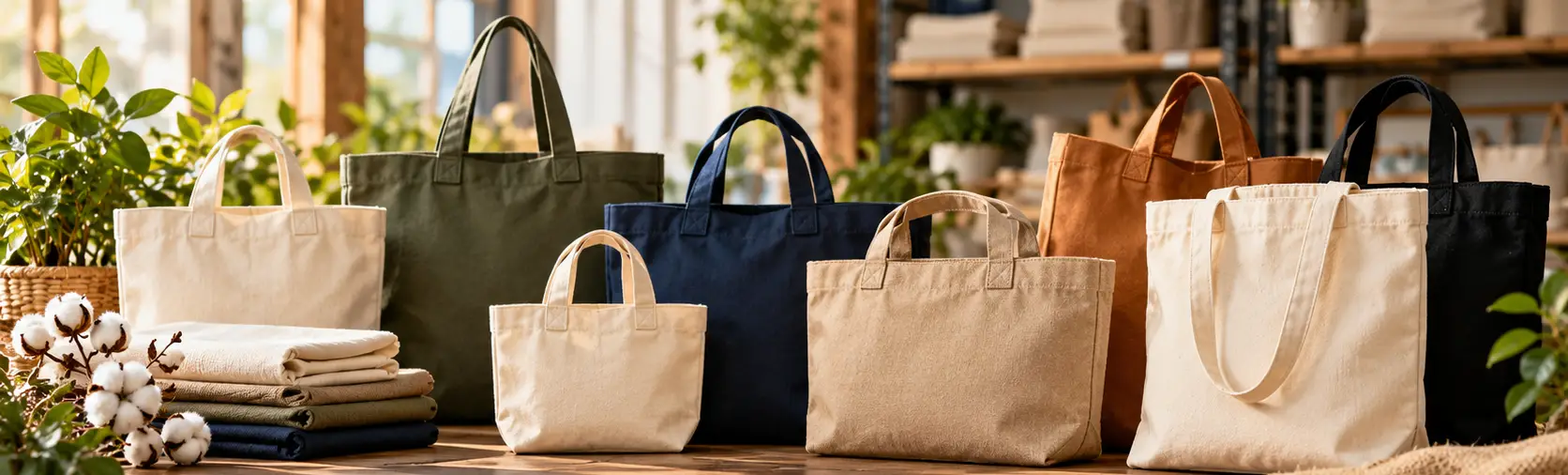
Canvas bags wholesale looks like a simple purchase until the samples arrive. Two bags can both be called “10 oz canvas” and still feel completely different in the hand, take print differently and wear differently after six months. This guide explains the three things that decide quality: fabric weight, weave and print. Read it before you ask for a quote.
It applies whether you are a bookstore ordering cotton tote bags wholesale, a retailer buying custom branded bags wholesale, or an agency sourcing for a campaign.
In this guide: What canvas actually is · Fabric weight: oz and GSM · Weave: why density matters · Print quality on canvas · Construction details that separate good from cheap · Choosing canvas by use · Questions to ask before you order · Next steps
What canvas actually is
Canvas is a heavy, plain-woven cotton fabric. It is the same fibre as lighter cotton, only thicker and more tightly constructed, which is why it holds its shape and carries weight. If you want the full comparison, read our guide to canvas vs cotton tote bags. A good cotton bags manufacturer will describe canvas by weight, weave and finish, not by the word “canvas” alone.
Fabric weight: oz and GSM
Weight is the first number on any quotation. Canvas is sold in ounces per square yard (oz) or grams per square metre (GSM). As a rule, 1 oz is about 34 GSM, so 10 oz is roughly 340 GSM.
- 8 oz (about 270 GSM): light and easy to fold. Good for events and giveaways, and a common spec when the budget is tight.
- 10 oz (about 340 GSM): the all-round choice for retail and everyday totes.
- 12 oz and above (about 400+ GSM): rigid, structured bags for heavy loads or a premium look.
Heavier is not automatically better. Thick fabric costs more, ships heavier and can make clean handle joins harder to sew. When you compare canvas bags wholesale quotes, check that every supplier is quoting the same weight, measured on the finished fabric. Our GSM guide goes deeper on which weight fits which bag.
Weave: why density matters
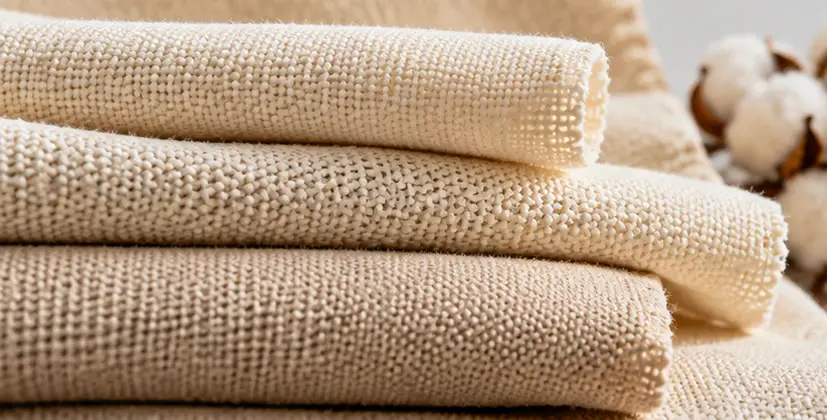
Canvas uses a plain weave, but yarn thickness and thread density vary. A tight, even weave resists stretching, keeps handles from tearing out and gives a flat surface for printing. A loose weave looks fine in a photo, then sags under weight and shows gaps in the print.
Check a sample in three ways:
- Hold it to the light. You should not see pinholes.
- Pull gently on the diagonal. The fabric should not distort.
- Look at cut edges and seams for fraying.
Also ask whether the fabric is washed or unwashed. Washed canvas is softer and pre-shrunk, so it will not change size after the first wash. Unwashed canvas is stiffer and cheaper but can shrink. For custom cotton bags that customers will wash, washed canvas is the safer pick.
Print quality on canvas
Canvas takes print well, but the method changes the result.
- Screen print: best for bold logos and larger runs. Durable and cost-effective per piece.
- Digital print: suits full-colour artwork and photos, especially on smaller runs.
- Embroidery: a premium finish for small logos and brand marks.
Our guide to screen print, digital print and embroidery shows how to choose. Whatever you pick, send vector artwork and Pantone references. See how to send logo artwork and why lab dips exist.
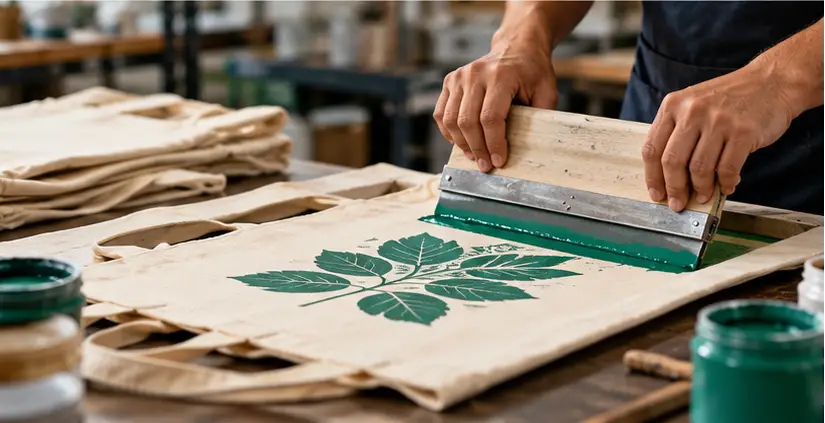
For custom branded bags wholesale, approve a printed sample, not a plain one. Rub the print with a damp cloth. It should not smudge or lift. You can also preview your logo on custom cotton bags in the Mockup Studio before you brief anyone. Our sample approval checklist covers size, fabric, stitching and print.
Construction details that separate good from cheap
Fabric is only half of quality. Check these on every sample:
- Handle stitching: a box-and-X stitch spreads load and stops handles tearing out.
- Handle length and width: short handles for hand carry, long for shoulder carry.
- Bottom and gusset: reinforced seams for heavy items.
- Inside seams: overlocked or taped, with no loose threads.
- Size consistency: a bag that is 2 cm off in one batch will look wrong on a shelf.
Size, handle drop and finish should be identical across the whole batch. Custom cotton bags only look premium when these details are consistent.
Choosing canvas by use
The right canvas bags wholesale spec depends on the job.
- Retail shop bags: 10 oz, short handles, clean print. Ask for matching sizes across your range.
- Promotional bags: 8 oz keeps unit cost down. Keep the artwork bold so it stays sharp on lighter fabric.
- Grocery and books: for cotton tote bags wholesale, choose 10 to 12 oz with long, reinforced handles. Our cotton tote bags wholesale guide covers sizes and handle styles.
For eco-conscious buyers, ask about organic or GOTS-certified canvas as well.
Questions to ask before you order
- What is the finished fabric weight in GSM?
- Is the canvas washed or unwashed?
- What is the MOQ per size and colour?
- Which print methods are available, and can I see a printed sample?
- What is the lead time from approval to shipment?
- Can you share certificates for the factory and fabric?
A serious supplier will answer all of these in writing. Ask for the answers on the quotation itself, not just in a chat.
Next steps
Canvas bags wholesale orders move fastest when you send a clear brief: size, weight, colour, print and quantity. Our bag brief builder makes that easy, and you can browse the full cotton and canvas range.
We make cotton and canvas bags in Kolkata, in a GOTS and GRS certified facility, and we work with brands that want custom branded bags wholesale in repeatable quality. Whether your next order is cotton tote bags wholesale for a store or a big canvas bags wholesale run for a campaign, request a quote with your product, quantity and destination.
Tell us what you need.
Product, quantity and destination is enough to start. We review your requirement and reply with a quotation.